Mega Menu
Mega menu is possible in BS5 but we will need to create a custom template layout for the navigation widget. The following is a hard-coded example.

Font Awesome 6
FA6+ icons will work on all widgets.
The FMH Icon box will need a new version created because the styling is broken in Bootstrap 5 templates (this has nothing to do with FA).
FMH Icon Widget
Icons can now be used in Content blocks by pasting the HTML tags from www.fontawesome.com into the HTML editor.
Here are some new icons from Font Awesome 6
face-awesome
envelopes
wheat-awn
Bootstrap Components
Code snippits from http://getbootstrap.com pasted into Content Blocks.
h1. Bootstrap heading
h2. Bootstrap heading
h3. Bootstrap heading
h4. Bootstrap heading
h5. Bootstrap heading
h6. Bootstrap heading
Nav Tabs
Nav Pills
Accordion
.accordion-body, though the transition does limit overflow.
.accordion-body, though the transition does limit overflow.
.accordion-body, though the transition does limit overflow.
Tables
| # | First | Last | Handle |
|---|---|---|---|
| 1 | Mark | Otto | @mdo |
| 2 | Jacob | Thornton | @fat |
| 3 | Larry the Bird | ||
Alerts
Image Carousel
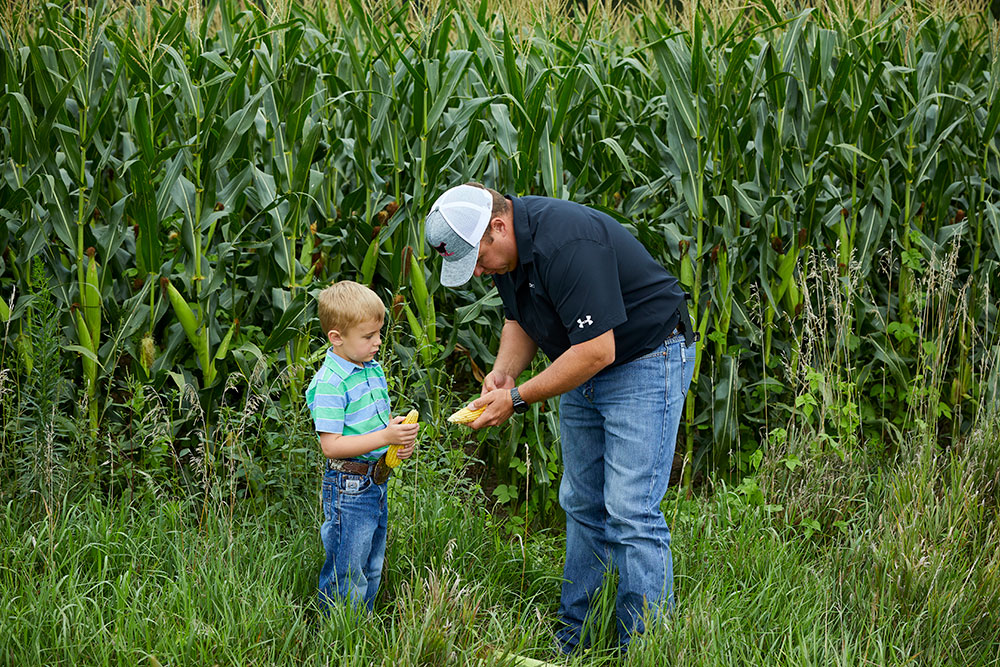
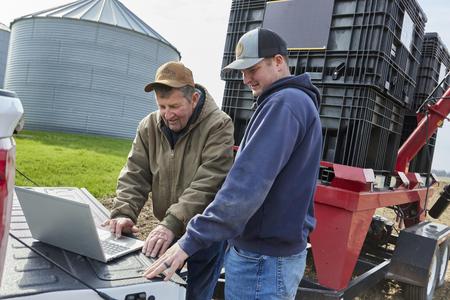
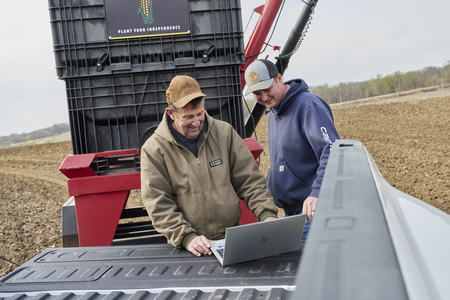
Modals
Sitefinity Widgets
Default, out of the box, Bootstrap 5 templates available for widgets.
The navigation template used above is called Horizontal.
Navigation Widget - Tabs Template
Navigation Widget - Pills Template
Breadcrumb
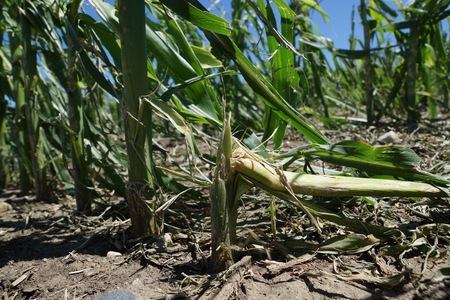
List Widget - Expandable List Template
Precision Claims FAQs
List Widget - Simple List Template
Crop Claims Reminders
-
How To Report MPCI Claims
-
MPCI Claim Reporting Deadlines
-
Appraisals
-
Production Records by Unit
-
Production Delivered to a Commercial Elevator
-
Production From Precision Farming Technology Systems
-
Production Weighed and Farm Stored
-
Authorization for Load Records, Storage Structure Marking, or Combine Monitor Records
-
Fed Production
-
Quality Adjustment
-
What is a Simplified Claim?
-
What can insureds do to expedite the claim process?
List Widget - Anchor List Template
Quality Control Review FAQ
- What can an Insured do to prepare for a review?
- What can Agents do to prepare for a review?
- How does the review process begin?
Quality Control Review FAQ
What can an Insured do to prepare for a review?
Third party documentation (i.e. summary/settlement sheets from the elevator) is required when applicable and available. Insureds are expected to have available hard copy records that will 1) support the total production raised for the crop/county/year being reviewed and 2) that can demonstrate how production was kept separate between various units, practices and types (if applicable).
Insureds will also want make themselves available to meet with the quality control reviewer as the reviews will need to be completed before the claims can be processed.
What can Agents do to prepare for a review?
How does the review process begin?
Documents List - Documents List Template
Documents List - Documents List Template
| Title | Type | Size | |
| 4100 KB | DownloadCLIP_Brochure_2025 | ||
| jpg | 83 KB | DownloadCrop-and-Livestock-Income-Protection | |
| 1053 KB | DownloadECOplus_Brochure_2026_TRIFOLD | ||
| 1107 KB | DownloadSCOplus_Brochure_2026_TRIFOLD | ||
| 491 KB | DownloadFMH MHC Letter Combined |
News Widget - News List Template
News list template is the only template available by default.
A Look at the Team Behind FMH Precision Solutions
For this Q&A, PTS Evan Harbert interviewed his fellow teammates to discuss the ins and outs of helping agents and producers use their precision data for crop insurance. FMH's team of specialists focus only on assisting agents and farmers with Precision Solutions, a support system unique to FMH.
WHAT DOES A TYPICAL DAY FOR A PTS LOOK LIKE?
Branden: It’s very seasonal. We just came out of acreage reporting, which is a busy time for all of us at the computer. We’ve really started to switch gears the past several months getting into the harvest conversation, talking silage. I get busy traveling after harvest through planting for those prospecting months to bring on new agents and talk expectations with farmers.
Patrick: A typical day for a PTS really varies by where everybody is at. A typical day for me is in my home office. When I do get out on the road, a typical day is a lot of windshield time, and trying to get as many visits as I possibly can with agents and get them set up. Also, trying to go visit farmers if I can, and trying to do follow-ups went I get back into my home office.
HOW OFTEN DO YOU WORK DIRECTLY WITH THE FARMER AND THE AGENT?
Marc: Primarily, we visit more with agents. It goes back to seasonality. When we’re out of acreage or production reporting, we try to get there and meet with the agent in person at their office. If we can, we try to schedule some visits with their farmers that are using precision too. As we get back into the home office, we do a lot of work on the phone and meet virtually through Zoom or TeamViewer.
Cole: I work mostly with the agent and have several who are interested in having me work directly with the farmer. A lot of that is done over the phone.
WHAT’S THE BEST PLACE TO GRAB LUNCH WHEN YOU’RE OUT ON THE ROAD?
Branden: I can’t name just one restaurant — pretty much it’s just any small-town restaurant and their daily special. That’s something I picked up when I started out adjusting and riding around with our adjusters. They would take me to some pretty good spots.
WHAT IS SOME OF THE BEST FEEDBACK YOU RECEIVED FROM AN AGENT OR INSURED WHO USED THE PRECISION SOLUTIONS PROCESS FOR THE FIRST TIME?
Joe: I worked with an agent this year who used the Precision Solutions process for the first time. The best thing she said — after it was all said and done — was how simple it was from what she normally did. She was a little worried about getting into precision because it’s a new process for her, but with support from FMH, it was a lot easier than what she thought it would be.
WHAT’S THE MOST COMPLICATED PART OF IMPLEMENTING PRECISION? AND THE EASIEST?
Patrick: One of the most complicated things is changing the mentality of acreage or production reporting. For many years with acreage reporting, we told people, “You need to have 578’s [FSA crop acreage reports].” So, people got used to that. Then we offered this new thing and tell them, “We can use this, you don’t need 578’s anymore.”
Changing that mindset and getting everyone onboard has been one of the most complicated things. The easiest part though is talking about saving acres and money for the farmer; they jump at the idea.
Blog Posts Widget - Blog Posts Lists Template
-
Reporting Acreage with FMH Precision Solutions
Many policyholders already collect precision ag data during planting. Put that data to work to report acreage for crop insurance with FMH Precision Solutions.Full story -
Prepping Your Customers for Planting with Precision
Help your farmers use the precision data they're already collecting to simplify planting and reporting this spring.Full story -
Q&A with an FMH Precision Tech Specialist
Learn how our expert staff supports agents getting started with Precision SolutionsFull story -
Traditional vs. Precision Claims: What Are the Differences?
Oct 16, 2023, 14:01 by Eric RicheLearn how Precision Solutions can lead to simplified claims and easier APH reviews for your customers.Full story -
See How Precision Solutions Saves Premium and Improves APH
See the difference with examples from our recent FieldView™ Partner Connect webinar.Full story