


As harvest approaches, producers are weighing stronger commodity prices against fertilizer and energy costs that remain heavily influenced by global supply conditions.
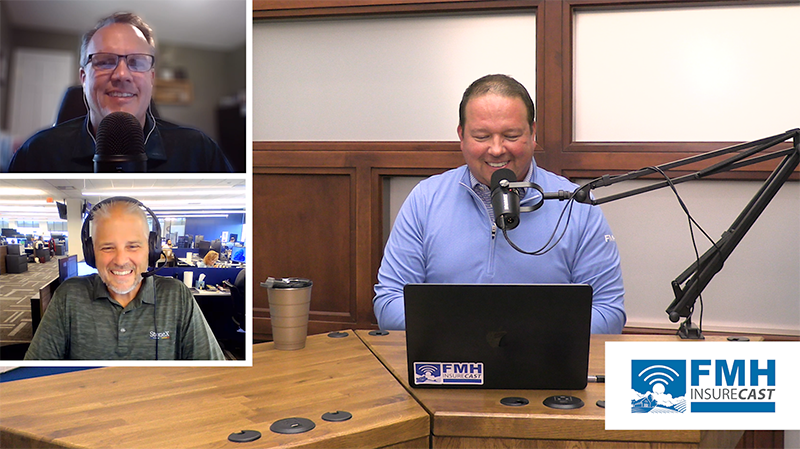
In the latest FMH InsureCast podcast, StoneX Vice President of Fertilizer Josh Linville joins FMH’s Dave DeCapp and Ken Ripley to explain what is driving fertilizer markets and what producers may want to watch as they plan ahead.
Global Events Continue to Shape Fertilizer Markets
Linville pointed to several global factors affecting fertilizer supply, including vessel traffic through the Strait of Hormuz, the Russia-Ukraine conflict, and Chinese export rates. These matter because major fertilizer-producing countries account for significant portions of global nitrogen and phosphate trade. For producers, understanding those supply pressures can provide useful context for prices at the local level.
“Knowing the what's and the why, I think, is very, very important,” Linville said.
Consider Inputs and Grain Together
Rather than trying to predict the exact bottom for fertilizer or top for grain, Linville encouraged producers to think about the relationship between the two.
“If you're gonna buy the fertilizer, turn around and sell the grain,” Linville said.
He also suggested applying a marketing strategy to input purchases: buying in layers instead of necessarily committing to an entire fertilizer requirement at once.
“If it's a good opportunity, lock it in. Do a layer,” Linville said.
That approach can give producers another way to think about managing uncertainty without requiring them to perfectly time either market.
Know Your Breakeven and Coverage Options
Input prices also matter for crop insurance products designed around margins. Ripley discussed Margin Coverage Option (MCO) and Margin Protection, which provide producers with coverage against unexpected decreases in their operating margins. For the upcoming crop year, MCO covers the 95% to 90% band and has a September 30 deadline.
Because these are area-based plans, Ripley emphasized understanding expected county yields and how they compare with an individual operation. Producers should calculate their breakevens and discuss their operation with their crop insurance agent before choosing coverage.
With crop prices, input costs, and global markets moving simultaneously, there is no single answer for every operation. Understanding the factors involved can help producers have more informed conversations about risk with their agent.
Watch or listen to the latest FMH InsureCast episode for more perspective on margins, markets, and managing risk.
| |||
|