


Here’s a regional look at how ECO and SCO are shaping discussions from our FMH InsureCast speakers out in the field.
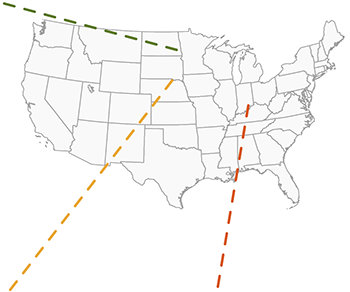
Northern Plains In North Dakota and northern Minnesota, ECO and SCO discussions are shaped by weather volatility, prevent plant exposure, and crop diversity. Market pressure is adding urgency to coverage decisions. Andrew Sather, FMH District Sales Manager in the Northern Region, notes that economics are front and center. “Not many crops look very good on paper right now,” Sather said. “That makes insurance decisions even more important as producers look for ways to manage both price and production risk.” Sather also emphasized the importance of understanding Final Area Yield calculations, especially for specialty crops. “Your expected county yield for SCO and ECO may not reflect actual county yield if acres are limited,” he explained. “That’s a critical conversation for agents to have so expectations are aligned.” |
| |
Central Plains & Western States In Nebraska, Kansas, and surrounding states, SCO continues to be a cost-effective option—particularly in areas where yield losses tend to be severe rather than incremental. Landon Shafer, FMH Strategic Account Manager in Nebraska, says protecting margins is the priority. “Our biggest concern isn’t whether we can raise bushels, but whether we’ll have margin at the end of the day,” he explained. “SCO can play a big role in covering deeper losses when things don’t go right.” While ECO has generated interest, its fit often depends on crop mix and liability concentration. “If producers have to spend their premium dollars somewhere, many are choosing county-based plans that trigger by crop rather than farm-wide coverage,” Shafer added. Sather added, “Crop insurance isn’t static. It changes every year.” For 2026, ECO and SCO remain central pieces of the risk management puzzle. | Midwest & Eastern Corn Belt Across Indiana, Ohio, Illinois, and Kentucky, ECO adoption continues to increase. With added premium support, many producers are using ECO’s 86%–95% band to protect operating margins rather than catastrophic loss. Billy Meade, FMH Sales Development Manager for the Eastern Region, says growers are focused on preserving equity. “When you think about what ECO does on that high band, farmers are really trying to protect that profitability margin, the equity they have invested in the field,” Meade said. SCO also remains an important tool, particularly for growers carrying lower underlying coverage levels or coordinating ARC and PLC decisions. With SCO now no longer tied to ARC, agents have greater flexibility. “This is a unique opportunity to cover different layers of risk without forcing producers into an either-or decision,” Meade added. |
Key Takeaways for Agents
- ECO and SCO affordability has improved. Use that to reframe conversations around protecting margins, not just yield loss.
- Area plans work best when farm performance aligns closely with county results.
- SCO remains especially valuable in regions prone to deep losses or where underlying coverage is lower.